Orthodontics for adults
It’s never too late to straighten your teeth: clear aligners, lingual braces, ceramic and metal braces compared, with pros and cons of each.
It’s never too late to smile again…
Up to what age can teeth be straightened? Orthodontics for adults
It’s never too late for orthodontic treatment!
Even if you’re no longer a kid, a beautiful, well-balanced smile is the best calling card in your social and professional life, at any age. In fact, more and more adults today are improving their bite or correcting their smile with orthodontics. Adults are often excellent patients because they cooperate (what we call “intrinsic motivation”), keep up good oral hygiene, and understand the orthodontist’s efforts.
In adults, of course, growth is complete and all the permanent teeth are in. While in children we can step in during skeletal growth to correct problems with the jawbones, in adults it is
only possible to work on the teeth, but you can still achieve excellent results. In any case, the treatment plan must always aim at specific goals that reflect the patient’s priorities.
Adult orthodontics: which problems can it solve?
• Esthetics: it often happens that people who didn’t wear braces as children decide to correct some cosmetic flaws in their teeth
• Chewing: orthodontics actually also helps prevent much more serious problems. For example, it can help avoid tooth loss, and with it the future need for dental prosthetics. It can also rehabilitate the mouth by moving the existing teeth “strategically,” either making room for missing teeth (lost earlier than they should have been) or, when conditions allow, closing gaps (which are also caused by losing teeth too early).
Specifically, adult orthodontics can correct a number of problems:
Diastema (gap between teeth)
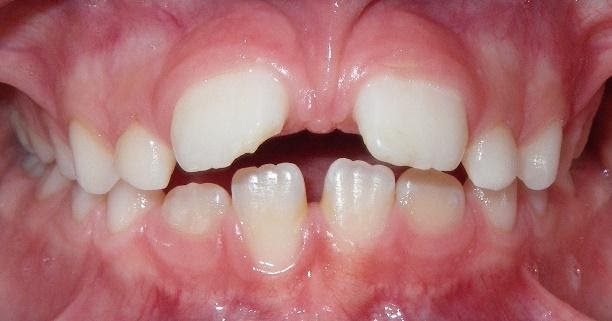
Crowding
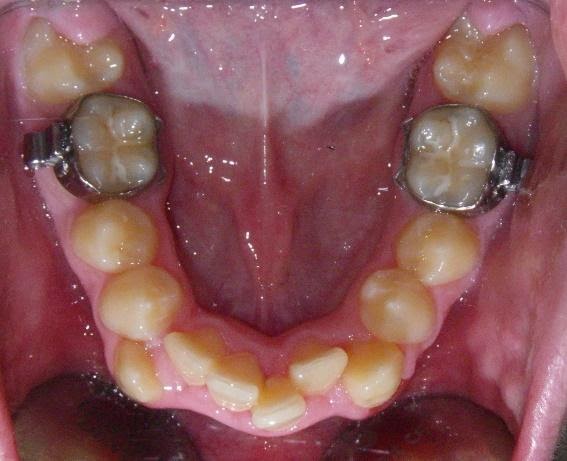
Crossbite
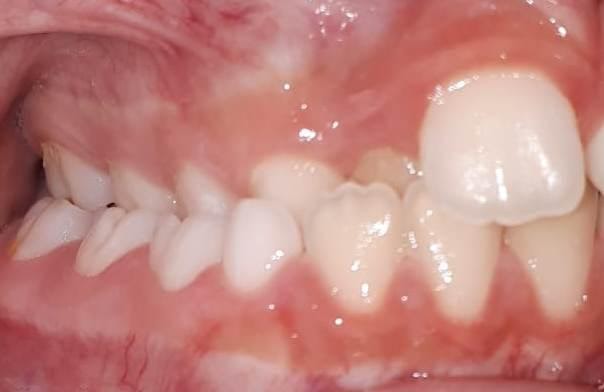
Deep bite
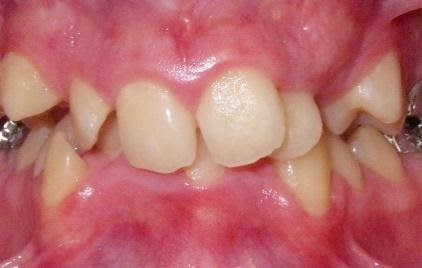
Open bite
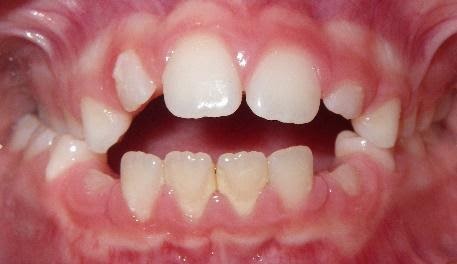
Even in adulthood, treating moderate or severe malocclusions is always extremely beneficial for the patient. Poorly aligned teeth are harder to clean, and a well-balanced smile is also a healthy smile: the risk of cavities and periodontitis drops sharply. By also reducing stress on the teeth, jaws, and muscles, it lowers the risk of tooth fractures and may even improve temporomandibular joint (TMJ) problems. On top of that, the cosmetic and functional problems caused by skeletal and dental malocclusions take a toll on people’s mood, because they feel very uncomfortable smiling, talking, and interacting with others.
Every treatment to correct malocclusions in adults must therefore be “individualized,” tailored to the patient’s specific needs.
That’s why an orthodontic case study is needed before any treatment, which includes:
• photographs of the patient’s face and teeth
• X-rays (a panoramic dental X-ray and, in some cases, a cephalometric X-ray)
• plaster models of the dental arches.
After a thorough diagnosis, the orthodontist can then define the right treatment plan and choose the appliance to use: classic fixed braces with brackets (including white ceramic ones), invisible treatment with clear aligners, or lingual orthodontics.
How many orthodontic options are there for adults, and what are they?
When the patient is an adult, esthetic needs come into play alongside the functional needs of an orthodontic appliance. New dental technologies have brought a wide variety of barely visible appliances to the market, encouraging more and more adults to fix bite and tooth alignment problems.
Invisible orthodontics: this technique uses clear trays custom-made for each patient. It is one of the preferred options for adults undergoing orthodontic treatment, because it offers many advantages while delivering excellent results. Treatment works by wearing a progressive series of trays (“aligners”) that gradually achieve the desired correction.
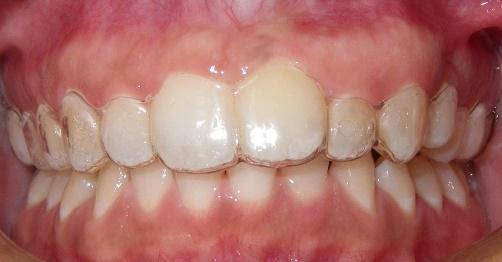
Advantages
• Fully esthetic, since it’s nearly invisible
• Removable: easy to take out and put back in, so it’s convenient (for example, if you’d rather not wear it on a special occasion)
• Practical and easy to clean, and above all it lets you brush and floss normally
• Effective for almost all dental problems
• Cost similar to other appliances
Disadvantages
• Since the appliance is removable, you need to be cooperative and wear it about 22 hours a day, taking it out basically only to eat and brush your teeth.
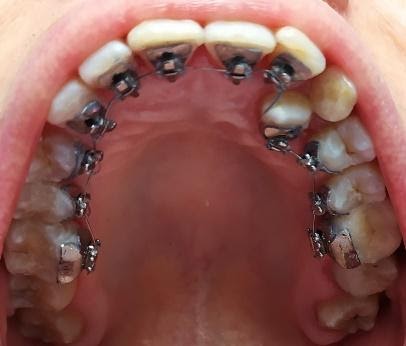
Lingual orthodontics: uses brackets placed on the inner side, “behind” the teeth, so they are completely invisible.
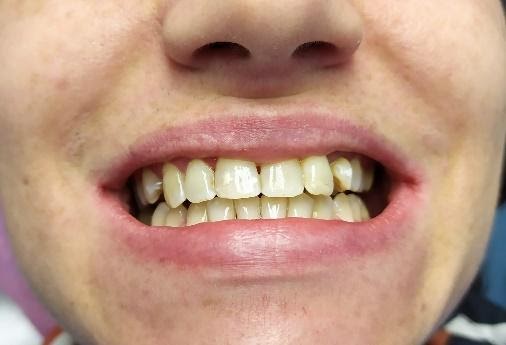
Advantages
• Better esthetics than any other type of orthodontic appliance: it can’t be seen from the outside at all!
• Works 24/7 because it’s fixed
Disadvantages
• Premium-priced option
• Takes a little longer to get used to at first
• Requires more frequent checkups; a bracket may come off now and then.
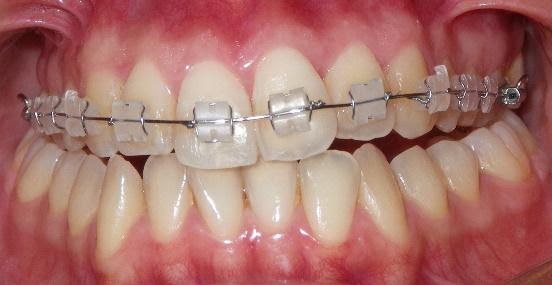
Ceramic braces: increasingly popular, they are just as effective as other types of braces but differ in appearance. They are made of ceramic instead of metal, so their color is closer to that of natural teeth, blending in white-on-white.
Advantages
• Esthetics: much less visible than metal braces
• Can be used in all cases, just like metal braces
Disadvantages
• Cost slightly more than metal braces
• More delicate; a bracket comes off a bit more often than with metal braces.
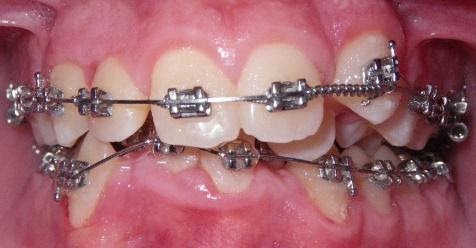
Metal braces, the so-called “traditional” braces: the most visible, a classic that never goes out of style.
Advantages
• Still the most effective type of appliance for treating bite and tooth alignment problems
• The most affordable option on the market
Disadvantages
• Their more “visible” look isn’t popular with every patient.
• You need to be an excellent brusher to keep your teeth clean
Dr. Ciro Turco